

Why 15 Minutes Beats 3 Hours
Here’s what most busy parents get wrong: they think quality time needs to be this big, scheduled production. A weekend trip. A long dinner. Something Instagram-worthy. But that’s not how connection actually works.
The truth is simpler. Your kids don’t need endless hours — they need your actual attention. They need to know you’re present. You’re listening. You’re not halfway through your phone.
A 15-minute conversation while you’re making breakfast can do more for your relationship than a distracted afternoon at the mall. The research backs this up. Consistent short interactions create stronger bonds than occasional long ones. It’s about quality of attention, not quantity of time.


The Morning 10-Minute Win
You’ve got 10 minutes before school or work. That’s your window. Don’t scroll. Don’t rush them through breakfast.
Instead: Ask one real question. Not “how was school?” — that gets you nothing. Try “What’s something that made you laugh today?” or “Did anyone say something kind to you?” These prompt actual stories.
The magic isn’t in the question. It’s in you sitting there, listening, not planning your next task. Kids feel the difference. They know when you’re actually interested versus when you’re just checking a box. Ten minutes of real attention is worth more than an hour of half-listening.
Quick Win: The 20-Minute After-School Ritual
- First 5 minutes: Let them decompress. No questions, just presence.
- Next 10 minutes: Share a snack. Ask about one specific thing they mentioned before.
- Last 5 minutes: Laugh together at something silly — a video, a joke, whatever.
This consistent 20-minute block does more for your relationship than occasional longer interactions.
Game Night Without the Pressure
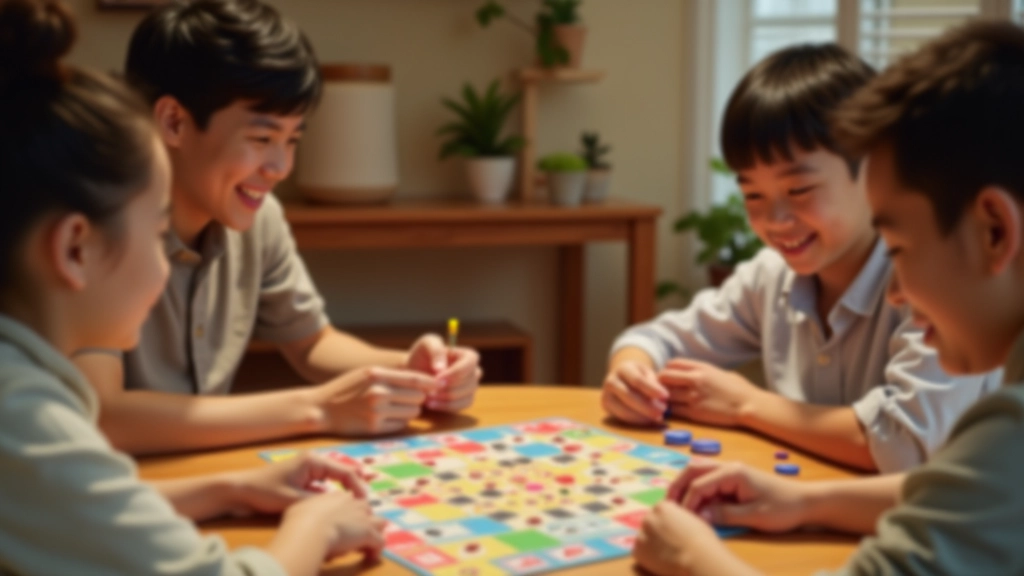
You don’t need a fancy board game or anything complicated. The point isn’t winning. It’s the natural conversation that happens while you’re playing.
Try card games (20 minutes), simple board games, or even dice games. Something with a clear end point. You’re not trying to fill a whole evening — just 20-30 minutes where everyone’s focused on the same thing.
Kids open up differently when they’re not looking directly at you. Something about having a task — rolling dice, choosing cards — makes it easier to talk about real stuff. School stress. Friend drama. Worries. They’ll mention things in the middle of a game that they wouldn’t say over dinner.

Walking Conversations Beat Sitting Talks
Here’s something we don’t talk about enough: walking is magic for conversation. You’re side-by-side, not face-to-face. You’re moving. It feels less like an interrogation and more like… just living together.
A 15-minute walk to the store or around the neighborhood creates space for talking. Not the forced kind where you’re trying to extract information. The natural kind where things just come up.
Teenagers especially will talk during walks when they won’t sit down for a conversation. There’s something about the movement that makes it easier. Plus you’re getting outside, moving your body, and spending time together. That’s efficiency done right.
The Bedtime 10-Minute Ritual
Don’t skip this one. Yes, you’re busy. Yes, bedtime feels chaotic. But 10 minutes before sleep is when kids are most open.
No screens. No rushing. Just you, them, maybe a book or just talking. Ask about their day. Tell them something you noticed about them that made you proud. Not generic praise — specific stuff. “I saw how patient you were with your sister today” hits different than “you’re a good person.”
This 10 minutes sets the tone for their sleep and for your relationship. Kids who get consistent bedtime connection sleep better and feel more secure. They know they’re important to you. That’s everything.

The Real Secret
You don’t need more time. You need better attention. The busy parents who nail this aren’t less busy than anyone else — they’re just intentional about the time they do have.
Start with one of these: the morning 10 minutes, the after-school ritual, or the bedtime connection. Pick what fits your schedule. Do it consistently. You’ll see the shift in your relationships within weeks. Not because you suddenly became perfect. But because your kids know you’re present. That’s what actually matters.
Quality time isn’t a luxury you get to when things slow down. It’s the foundation you build every single day, 10 or 15 or 20 minutes at a time.
Educational Disclaimer
This article is for informational and educational purposes. Every family is different, and what works for one household may not work for another. These suggestions are based on general parenting principles and research, not personalized advice. If you’re facing specific family challenges or behavioral concerns, consider consulting with a family therapist, counselor, or your child’s healthcare provider who can provide guidance tailored to your situation.